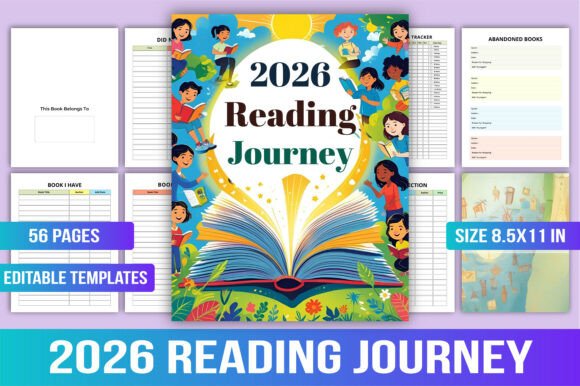
📚 2026 Reading Journey
Reading isn’t just about turning pages—it’s about intention, reflection, and growth. The 📚 2026 Reading Journey transforms that quiet habit into a purposeful, visual, and deeply personal practice. Designed for adults who value both creativity and clarity, this printable planner meets readers where they are: whether you’re juggling freelance deadlines, teaching literature, building a content library, or simply reclaiming time for stories that matter.
What sets it apart isn’t just its aesthetic—it’s how thoughtfully each feature supports real-world reading behavior. No vague prompts. No overwhelming spreadsheets. Just clean, adaptable structure grounded in how people actually read, remember, and return to books.
A Tool Built for Real Reading Rhythms
The 📚 2026 Reading Journey acknowledges that consistency doesn’t mean rigidity. Its 52-week reading plan breaks the year into manageable increments—not as pressure points, but as gentle checkpoints. Pair it with the full 2026 calendar, and you can align reading goals with your actual schedule: launching a new novel after a busy client project, diving into poetry during quieter winter weeks, or revisiting classics before a workshop you’re leading.
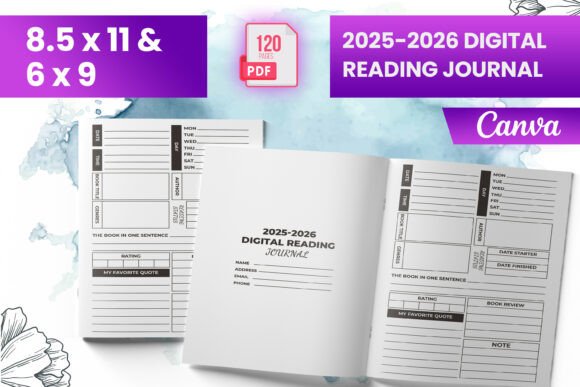
For educators, this means mapping diverse genres across semesters—assigning a horror novella in October while tracking student-read titles in a shared library series tracker. For bloggers and content creators, the book review templates offer consistent framing for authentic, audience-resonant posts—no more staring at a blank draft. Each template includes space for thematic notes, emotional resonance, and even design-friendly quote highlights—ideal for Instagram carousels or newsletter features.
Creative Adaptations Across Roles
This isn’t a one-size-fits-all planner—it’s a framework you shape. Here’s how different users bring it to life:
- Freelancers & entrepreneurs: Use the yearly goals stats page to tie reading to skill-building—e.g., “Read 3 books on narrative psychology to refine client storytelling workshops.” Track progress alongside business KPIs in a single dashboard view.
- Designers & marketers: Leverage the editable Canva link to customize colors, fonts, and layout for brand-aligned reading challenges—think branded book clubs for clients or team-wide “genre sprint” campaigns (e.g., “June = Memoir Month” with shared quote collections).
- Educators & librarians: Repurpose the library series tracker as a physical or digital lending log. Add sticky-note annotations for student recommendations or curriculum connections. Print genre-based monthly challenges as classroom posters—“This month, explore one translated work from West Africa.”
- Hobbyists & bookstagrammers: Turn the quote collection pages into curated visual assets. Scan handwritten quotes beside coffee stains or pressed leaves, then layer them into reels or Pinterest pins—authentic, tactile, and shareable.
More Than Tracking—It’s Mindful Engagement
Many planners stop at “books read.” The 📚 2026 Reading Journey goes further by inviting reflection *in context*. The structured review prompts—like “What did this book teach me about pacing—or patience?” or “Which character’s choice surprised me, and why?”—aren’t academic exercises. They’re memory anchors. They help you notice patterns across genres, spot shifts in your own thinking, and build a richer internal reference library.
That matters especially for professionals whose work relies on narrative fluency—writers refining voice, UX designers studying user journeys as story arcs, or podcasters shaping episode narratives. When you reflect consistently, you don’t just consume stories—you study their architecture.
Practical Tips for Staying Organized—Without Over-Engineering
Start small. Pick *one* feature to use weekly for the first month—maybe just the reading log wishlist and a single quote per book. Let rhythm emerge before adding layers.
Keep it visible—but not burdensome. Clip the current month’s spread to a bulletin board. Tuck the weekly plan into a notebook you carry daily. Use the editable Canva file to generate a single-page “Reading Pulse Check” every Sunday: three books touched, one quote saved, one genre explored.
And when life interrupts? That’s built in. The monthly summaries aren’t about perfection—they’re about noticing what shifted. Did you read fewer books but linger longer on each? Did nonfiction dominate because of a new project? That’s data—not failure. Use it to adjust, not abandon.
Why This Works for Creative Professionals
Creatives thrive on constraints that spark clarity—not chaos. The 📚 2026 Reading Journey provides just that: enough structure to reduce decision fatigue, enough flexibility to honor evolving interests. Its genre-based monthly challenges (poetry, sci-fi, essay collections, translated works) gently stretch habits without demanding expertise. You’re not “supposed to” master magical realism—you’re invited to sit with it for four weeks and see what resonates.
For publishers and small press teams, it’s also a low-lift way to prototype reader engagement tools—test how authors’ quotes or behind-the-scenes notes land when embedded into a planner format. For educators designing summer reading programs, the 10- and 25-book challenge trackers offer scalable milestones with built-in reflection—not just completion checkboxes.
Final Thought: Your Reading, Your Terms
The 📚 2026 Reading Journey doesn’t ask you to become a different kind of reader. It supports the reader you already are—with your rhythms, your gaps, your curiosities—and helps you meet them with more presence. Whether you’re sketching character maps in the margins, cross-referencing themes across your yearly quote collection, or using the library tracker to finally organize that shelf of half-finished paperbacks, this is a tool that grows with your attention—not against it.
It’s not about finishing more books. It’s about remembering which ones stayed with you—and why.