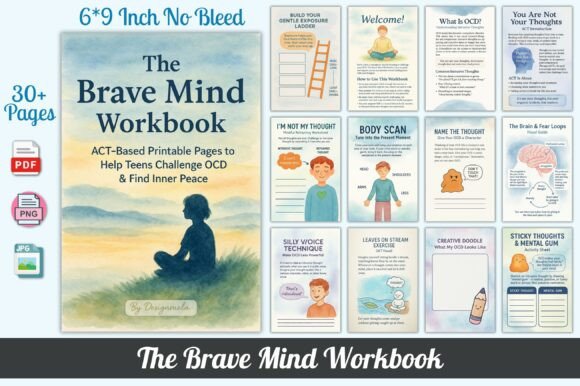
Autistic Burnout Recovery Workbook
Autistic burnout is more than just exhaustion—it’s a complex, often overwhelming state that can leave you feeling drained, disconnected, and unsure of how to move forward. The Autistic Burnout Recovery Workbook is a compassionate, evidence-informed guide designed specifically for autistic individuals navigating the challenges of burnout. This printable workbook offers a safe space for self-reflection, emotional clarity, and practical recovery strategies tailored to neurodivergent needs.
Understanding Autistic Burnout
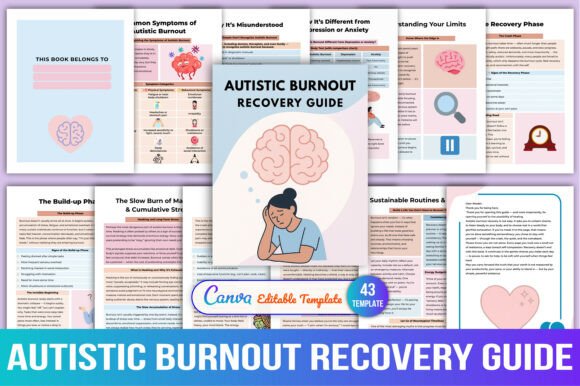
The Autistic Burnout Recovery Workbook begins by helping you understand what autistic burnout truly is. It distinguishes it from depression or anxiety, emphasizing that burnout is not a mental illness but a response to prolonged stress, masking, and sensory overload. The workbook explains how burnout manifests in autistic individuals, offering insights into the unique experiences of neurodivergent people.
It also highlights the importance of recognizing burnout as a valid and necessary response to systemic pressures. By understanding your own triggers and patterns, you can begin to reclaim control over your energy and well-being.
Self-Assessment Tools
One of the most valuable features of the Autistic Burnout Recovery Workbook is its gentle self-assessment tools. These include checklists, symptom trackers, and reflection prompts that encourage you to explore your current state without judgment. These tools are designed to be low-pressure, allowing you to process your feelings at your own pace.
By regularly engaging with these self-checks, you can gain insight into your burnout patterns and identify areas where you may need support. This reflective practice is essential for building awareness and fostering self-compassion.
Recovery Phases and Immediate Support
The Autistic Burnout Recovery Workbook breaks down the recovery process into clear phases: build-up, crash, and recovery. Understanding these stages helps you navigate the ups and downs of healing with greater clarity and patience.
During the crash phase, the workbook provides immediate recovery tools such as sensory cocoon setups, low-demand routines, and non-verbal communication strategies. These resources are designed to help you feel grounded and supported during times of intense overwhelm.
Boundary Building and Sustainable Routines
Setting healthy boundaries is a crucial part of recovery, and the Autistic Burnout Recovery Workbook offers guidance on how to do this effectively. It encourages you to honor your capacity and communicate your needs confidently, whether in personal or professional settings.
In addition to boundary building, the workbook includes tips for designing sustainable routines that prevent future burnout. These routines focus on pacing, self-care, and balancing demands with rest. By creating a life that aligns with your needs, you can reduce the risk of relapse and promote long-term well-being.
Self-Advocacy and Affirmations
Empowering yourself through self-advocacy is another key component of the Autistic Burnout Recovery Workbook. It provides templates and encouragement for communicating your needs clearly and confidently. Whether in work, school, or social situations, these tools help you assert your rights and build trust in yourself and others.
The workbook also includes affirmations that celebrate autistic traits as strengths rather than flaws. These reminders are designed to foster self-acceptance and resilience, helping you rebuild confidence and self-trust.
Non-Linear Healing and Long-Term Support
Healing from burnout is not a straight path—it’s a process that may involve setbacks and plateaus. The Autistic Burnout Recovery Workbook acknowledges this non-linear journey, offering support and guidance throughout each stage of recovery.
By embracing the complexity of healing, you can approach your recovery with greater flexibility and compassion. The workbook serves as both a resource and a companion, guiding you through the emotional and practical aspects of rebuilding your life.
Designing a Supportive Environment
Creating a supportive environment is essential for effective burnout recovery. The Autistic Burnout Recovery Workbook emphasizes the importance of surrounding yourself with understanding and acceptance, whether through family, friends, or professional support systems.
Additionally, the workbook encourages you to design your physical and digital spaces to promote calm and focus. Simple adjustments like reducing sensory input, organizing your workspace, and incorporating calming visuals can make a significant difference in your overall well-being.
Conclusion
The Autistic Burnout Recovery Workbook is more than just a guide—it’s a lifeline for anyone navigating the challenges of burnout. By combining empathy, evidence-based strategies, and practical tools, it empowers you to take charge of your recovery and build a more sustainable, fulfilling life.