📘 1000 Prompts for Designers, Writers
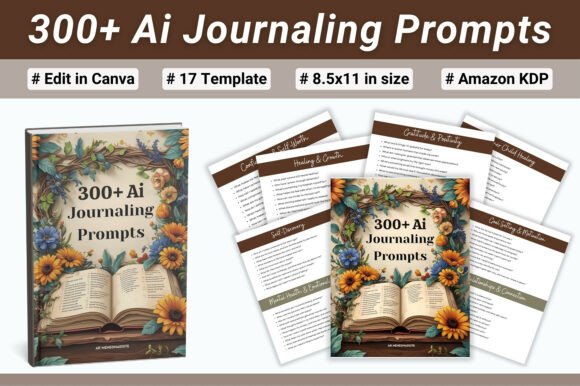
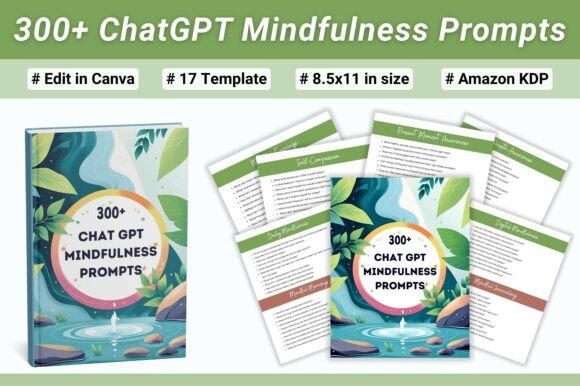
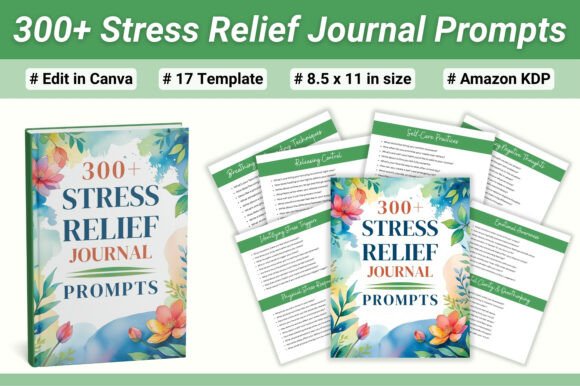
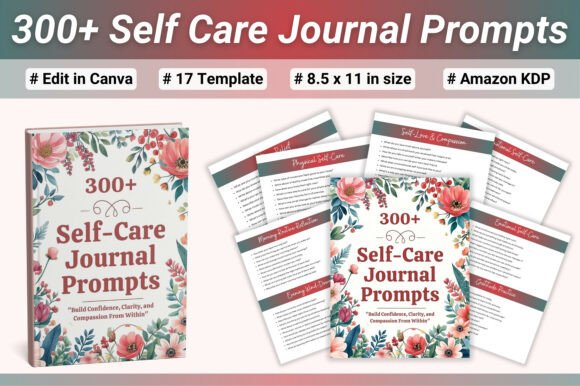
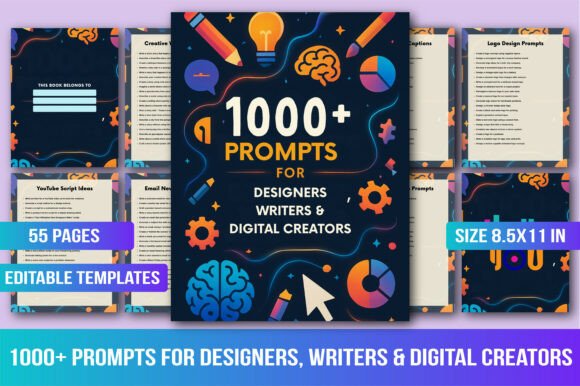
📘 1000 Prompts for Designers, Writers is a digital resource designed to support idea generation across creative disciplines. It consists of over 1,000 prompts organized into 52 themed sections—each containing 20 concise, focused exercises. The prompts span areas including branding, storytelling, visual composition, content strategy, social media ideation, and journaling. Delivered as a high-resolution PDF (with optional PNG and JPG files), it is formatted for both digital use—such as with note-taking apps—and physical printing.
Who Might Benefit From This Resource?
Creative professionals and independent practitioners often face recurring challenges: stalled ideation, repetitive output, or difficulty maintaining consistent creative practice. 📘 1000 Prompts for Designers, Writers addresses these by offering structured starting points rather than open-ended inspiration. It may be especially relevant for:
- Graphic designers seeking fresh approaches to layout, color, typography, or client brief interpretation;
- Content writers and copywriters needing varied angles for blog posts, email sequences, or brand voice development;
- Digital creators building content calendars for platforms like Instagram, YouTube, or Etsy—where thematic consistency and audience resonance matter;
- Freelancers and solopreneurs who lack internal creative teams and must independently generate concepts for pitches, portfolios, or personal projects;
- Educators or workshop facilitators looking for ready-to-use classroom or studio exercises that encourage divergent thinking.
Practical Benefits and Realistic Expectations
The primary benefit of 📘 1000 Prompts for Designers, Writers lies in its structure. Each prompt is intentionally brief and action-oriented—for example, “Redesign a common icon using only geometric shapes” or “Write a product description from the perspective of the item itself.” This reduces decision fatigue and lowers the barrier to starting a session. Because prompts are grouped thematically, users can align practice with current goals—such as focusing on accessibility in design one week and narrative hooks in writing the next.
Its digital-first format supports flexibility: users can annotate directly in PDF readers, import pages into apps like GoodNotes or Notability, or print individual sections. The inclusion of 55 templates adds utility for rapid sketching, mood boarding, or outlining—though these are stylistically neutral and not branded or interactive.
However, it’s important to recognize what the resource does not provide. It is not a tutorial, course, or critique tool. There are no explanations of design principles, writing techniques, or platform-specific best practices. It does not adapt to skill level—beginners and experienced practitioners receive the same prompts without scaffolding or difficulty indicators. Likewise, it does not integrate with external tools (e.g., Notion databases or AI prompt engines) or offer community features like peer feedback or challenge tracking.
Situations Where It Fits Well
📘 1000 Prompts for Designers, Writers is most effective when used as a deliberate practice tool—not a passive reference. It works well in contexts such as:
- Daily creative warm-ups, where 5–10 minutes of prompt-based work builds consistency without demanding large time investments;
- Portfolio development, helping creators generate diverse, self-initiated pieces that demonstrate range and conceptual thinking;
- Client-facing ideation, where prompts serve as neutral jumping-off points during brainstorming sessions with stakeholders;
- Teaching or mentoring, where instructors assign targeted prompts to reinforce specific learning objectives (e.g., “Apply three different grid systems to the same layout”);
- Breaking predictable patterns, particularly for creators whose output has become formulaic or platform-optimized to the point of diminishing returns.
When Alternatives May Be More Suitable
This resource assumes users already possess foundational skills and seek variety—not instruction. If your goal is to learn how to write compelling headlines, understand color theory, or optimize visuals for Instagram Reels, 📘 1000 Prompts for Designers, Writers will not replace targeted learning resources. In those cases, structured courses, style guides, or platform-specific handbooks may offer more direct value.
Similarly, if you rely heavily on collaborative workflows or need version control, cloud syncing, or real-time editing, a static PDF file may feel limiting compared to shared digital whiteboards (e.g., Miro), prompt libraries built into design systems, or AI-assisted tools that generate context-aware suggestions.
For creators who prefer auditory or video-based learning—or who benefit from seeing examples modeled step-by-step—the absence of demonstrations or annotated case studies in 📘 1000 Prompts for Designers, Writers is a notable constraint. Likewise, those working in highly regulated or technical fields (e.g., medical illustration, legal copywriting) may find many prompts too general to apply without significant adaptation.
Making an Informed Decision
Before choosing 📘 1000 Prompts for Designers, Writers, consider two questions:
- Do you struggle more with generating ideas—or executing them? If the former, this resource offers immediate, low-friction entry points. If the latter, prioritize skill-building tools first.
- Do you prefer self-directed practice—or guided instruction? Its strength is autonomy, not scaffolding. If you thrive with feedback loops, progress tracking, or adaptive difficulty, explore alternatives with built-in assessment or community layers.
Also consider usage patterns. If you regularly use digital note-taking apps and value portability, the PDF format integrates smoothly. If you rely on physical sketchbooks and rarely print, ensure the 8.5×11 inch layout suits your preferred paper size or binding method before purchase.
Finally, evaluate cost relative to alternatives. While a one-time purchase avoids subscription fees, compare it to free or low-cost prompt sources—such as public domain creative exercise collections, open educational resources, or curated lists maintained by professional associations. The value lies less in exclusivity and more in curation: the prompts are grouped thoughtfully, avoid redundancy, and reflect contemporary digital creation contexts (e.g., prompts referencing micro-content, platform-native formats, or cross-channel storytelling).
In summary, 📘 1000 Prompts for Designers, Writers serves a specific, practical function: lowering the activation energy for daily creative work. It is not a substitute for learning, collaboration, or critical reflection—but for those who know what they want to make and need reliable ways to begin, it provides a quietly effective framework.